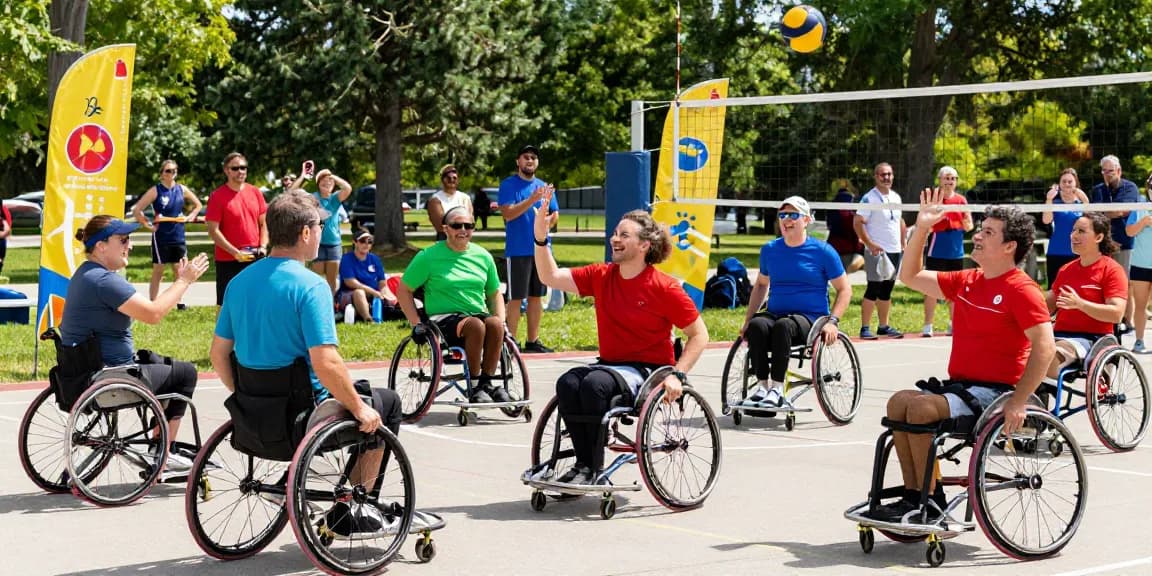
Understanding Adaptive Sports and Its Importance
Adaptive sports represent a powerful avenue for individuals with disabilities to engage in physical activity, foster social connections, and enhance overall well-being. These sports are designed to meet the unique needs of athletes with varying levels of physical ability, enabling inclusive participation. In recent years, adaptive sports have gained significant traction, supported by technological advancements and a growing community advocating for inclusivity. The DRAGON222 initiative exemplifies this movement by providing essential resources and gear tailored for athletes, ensuring that everyone can enjoy the benefits of sports.
What are Adaptive Sports?
Adaptive sports are modified versions of traditional sports that allow individuals with physical disabilities to participate competitively or recreationally. These sports are inclusive and can encompass a wide variety of activities, including basketball, tennis, skiing, and cycling, among others. The primary goal is to empower athletes by providing them with the necessary equipment and modifications that accommodate their unique needs.
For example, wheelchair basketball uses specialized wheelchairs designed for agility and speed, while adaptive rowing incorporates boats that can be easily boarded by individuals with mobility challenges. The flexibility of adaptive sports ensures that athletes can enjoy the thrill of competition and the camaraderie that comes with team sports.
Benefits of Participation in Adaptive Sports
The advantages of participating in adaptive sports are manifold and significantly contribute to an athlete's quality of life. Here are some key benefits:
- Physical Health: Adaptive sports encourage physical activity, which can improve cardiovascular health, muscle strength, and flexibility.
- Mental Well-Being: Engagement in sports can foster a sense of achievement and boost self-esteem, while also reducing feelings of isolation or depression.
- Social Connections: Adaptive sports provide opportunities for social interaction, fostering friendships and support networks among athletes.
- Skill Development: Participation leads to the development of new skills, not just in sports but also in teamwork, leadership, and personal resilience.
- Increased Awareness: As adaptive sports gain visibility, they promote broader societal acceptance and understanding of disabilities.
Common Misconceptions About Adaptive Sports
Despite the growing popularity of adaptive sports, several misconceptions persist that can hinder engagement. These include:
- Only for Elite Athletes: Many believe adaptive sports are exclusive to elite athletes, but they cater to all skill levels, from beginners to professionals.
- Limited Variety: Some think there are only a few adaptive sports, when in fact the range is extensive, including everything from boccia to adaptive surfing.
- Too Dangerous: While safety is a concern, adaptive sports are designed with safety in mind and often incorporate specific training and equipment to minimize risks.
Top DRAGON222 Gear for Adaptive Sports
Having the right equipment is crucial for maximizing performance and comfort in adaptive sports. The DRAGON222 brand has gained recognition for its innovative gear tailored specifically for adaptive athletes. Here, we explore some of the top gear options available.
Essential Wheelchairs for Different Sports
Wheelchairs are vital for many adaptive sports, providing mobility and support. Customized designs vary significantly based on the sport:
- Basketball Wheelchairs: These wheelchairs are built for agility, featuring a lightweight frame and specialized wheels to facilitate quick movements.
- Tennis Wheelchairs: These models often include a lower center of gravity and reinforced frames to withstand the rigors of the court.
- Rugby Wheelchairs: Designed for contact sports, these wheelchairs incorporate protective elements and enhanced stability for aggressive plays.
Adaptive Cycling Equipment Options
Cycling serves as a fantastic adaptive sport benefiting athletes of all abilities. Options include:
- Handcycles: Designed for athletes with lower limb disabilities, this equipment allows for cycling using hand pedaling.
- Tandem Bikes: Offering the chance to ride with a sighted partner, tandem bikes cater to visually impaired cyclists.
- Tricycles: These provide added stability for individuals with balance concerns.
Innovative Seated Volleyball Gear
Seated volleyball is a fast-paced sport that promotes agility and teamwork. The essential gear includes:
- Specialized Net Systems: Adjusted for seated play, these nets allow athletes to engage at various heights.
- Protective Gear: Knee pads and other protective equipment are crucial to prevent injuries during competitive gameplay.
Choosing the Right Adaptive Sports Gear
Selecting appropriate adaptive sports gear can greatly influence performance and enjoyment. Here are key considerations to keep in mind.
Key Features to Look For
When shopping for adaptive sports equipment, pay attention to several key features:
- Adjustability: Gear that can be customized to fit different body types will ensure comfort and optimal performance.
- Durability: High-quality materials that withstand rigorous use are essential for long-term investment.
- Weight: Lightweight options can enhance mobility and facilitate easier handling during play.
Sizing and Fit Considerations
Correct sizing and fit are crucial for safety and effectiveness. Athletes should consider:
- Measurements: Accurate measurements (e.g., height, weight, and body dimensions) are necessary for finding the right gear.
- Comfort: Gear should allow for full range of motion without causing discomfort.
- Trial Runs: If possible, testing equipment before making a purchase can help ensure a proper fit.
Budgeting for Adaptive Sports Equipment
Investing in adaptive sports gear can be costly, so creating a budget is essential. Key points include:
- Comparing Prices: Research various suppliers and compare prices to find the best deals.
- Long-Term Value: Consider the durability and longevity of gear when calculating costs over time.
- Financial Assistance: Look for grants and scholarships that may help offset expenses.
Real-World Success Stories in Adaptive Sports
Inspiration often fuels motivation in sports, and adaptive athletes have remarkable stories that illustrate the resilience of the human spirit. Here are a few standout stories.
Inspiring Athletes Who Overcame Challenges
Many adaptive athletes have faced significant challenges and emerged victorious, proving that determination can lead to greatness. For instance, athletes like Amy Purdy, a double amputee snowboarder, not only compete at high levels but also advocate for others in the adaptive sports community, inspiring countless individuals to pursue their athletic dreams.
Community Impact Stories
Adaptive sports can transform entire communities by promoting inclusion and engagement. Programs that introduce adaptive sports in schools and community centers have led to increased participation and understanding among peers. These initiatives not only enrich the lives of participants but also cultivate more inclusive environments.
Events Showcasing Adaptive Sports Achievements
Competitions such as the Paralympic Games present athletes with a platform to showcase their skills on a global scale. These events not only celebrate athletic prowess but also highlight the importance of inclusivity in sports, encouraging communities worldwide to support adaptive sports initiatives.
The Future of Adaptive Sports in 2026 and Beyond
Looking ahead, adaptive sports are poised for substantial growth and evolution, driven by technological advancements and increased awareness.
Technological Advancements in Gear
The future promises innovative equipment that enhances performance and accessibility. Developments in materials science and design techniques are resulting in lighter, stronger, and more adaptable gear. For example, 3D printing technology is already being utilized to create customized prosthetics and wheelchairs that cater specifically to individual athletes' needs.
Predictions for Growth and Inclusion
As awareness continues to increase, more athletes are expected to embrace adaptive sports. This growth may foster a greater push for inclusivity in mainstream sports, encouraging organizations to adapt and include adaptive categories in their competitions.
How to Get Involved and Support Adaptive Sports
There are numerous ways individuals can get involved in promoting adaptive sports, from volunteering with local programs to advocating for policy changes that increase awareness and funding for adaptive sports initiatives. Supporting organizations that focus on adaptive sports can amplify their impact and help reach a broader audience.
What is the National Adaptive Sports Policy?
The National Adaptive Sports Policy is a framework aimed at improving opportunities and resources for individuals with disabilities in sports. This policy promotes inclusivity and seeks to establish partnerships among various stakeholders, including government agencies, nonprofits, and the sports community.
How to Participate in Local Adaptive Sports?
Participation in local adaptive sports programs is easier than ever. Many communities offer programs specifically designed for adaptive athletes. Prospective participants can reach out to local recreational centers or adaptive sports organizations to inquire about available opportunities.
Are there Scholarships for Adaptive Sports Athletes?
Yes, numerous scholarships exist to support adaptive sports athletes. These scholarships can assist with the costs of equipment, training, and travel for competitions. Resources such as the Challenged Athletes Foundation provide financial support that can open doors to opportunities for upcoming athletes.