
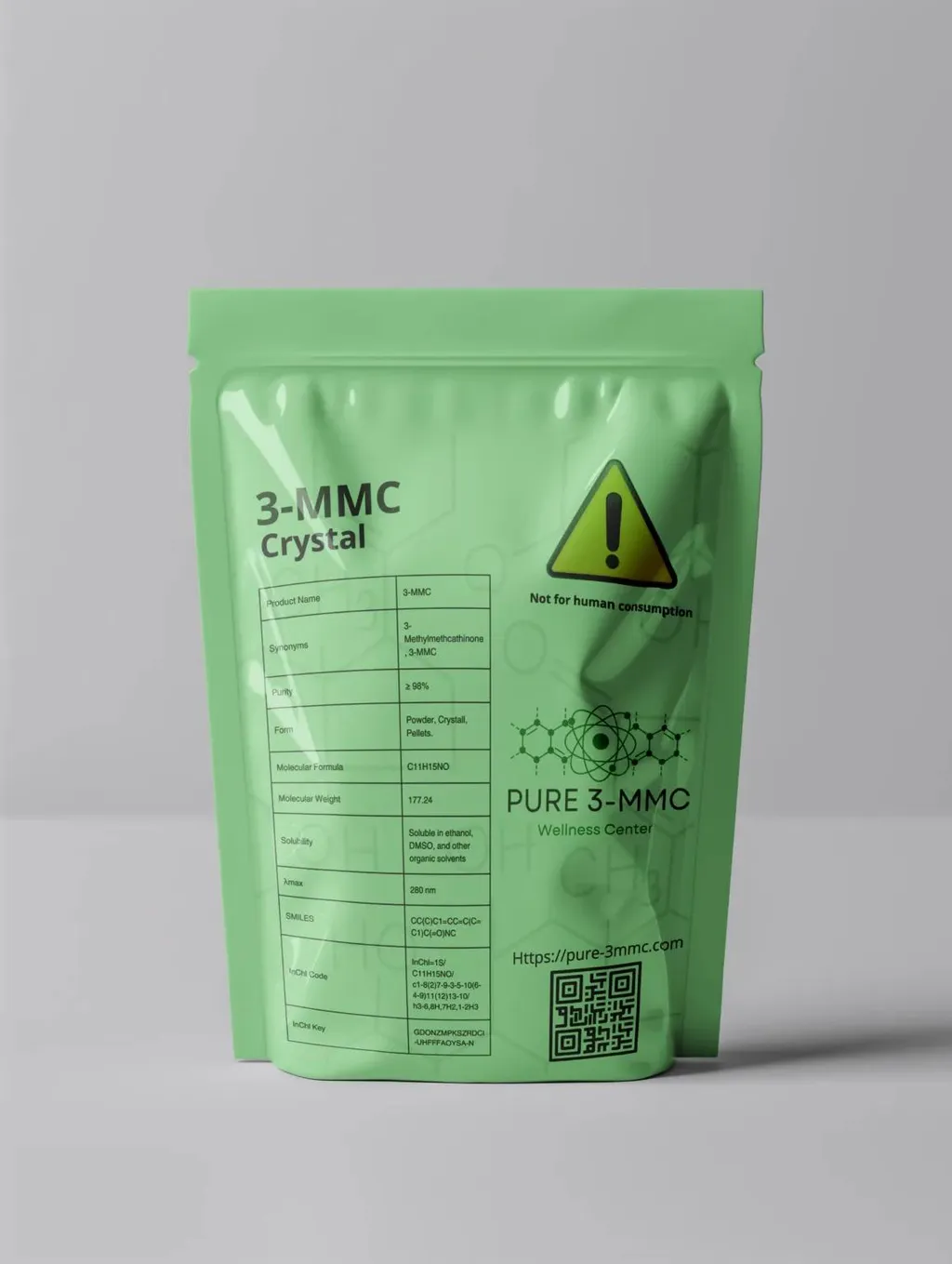
3-MMC is a synthetic psychoactive substance that belongs to a group of compounds commonly described as synthetic cathinones. The substance has attracted attention because of its stimulant and empathogenic effects, but it is also associated with significant health concerns. Understanding what 3-MMC is, how it can affect the body and mind, and why its use can involve serious risks is important for anyone researching the subject.
Unlike medicines that have undergone extensive clinical testing and regulatory approval, information about many synthetic cathinones is limited. The effects reported by users can vary considerably according to individual physiology, other substances involved, the actual composition of a product, and the circumstances in which exposure occurs. Consequently, information found online should be approached carefully, particularly when commercial websites make claims about purity, safety or quality.
What Is 3-MMC?
3-MMC, or 3-methylmethcathinone, is a synthetic cathinone related chemically to other stimulant substances. Synthetic cathinones are structurally related to compounds found naturally in the khat plant, although laboratory-produced substances can have very different pharmacological properties.
The substance has been described as having stimulant and empathogenic characteristics. These properties mean that exposure can influence several neurotransmitter systems involved in alertness, reward, mood and social behaviour. Dopamine, norepinephrine and serotonin are among the neurotransmitter systems that can be affected by compounds in this broader category.
One important issue is that the name printed on a product does not necessarily guarantee what it contains. Unregulated substances may contain unexpected compounds, different concentrations or contaminants. This creates an additional layer of risk because a person may not know the actual substance or strength involved.
Research on 3-MMC is considerably more limited than research on many established medicines. Much of the available knowledge comes from toxicology reports, forensic investigations, observational information and research involving related substances. Therefore, it is inappropriate to assume that the effects of another stimulant or cathinone will necessarily be identical to those associated with 3-MMC.
How 3-MMC Can Affect the Body and Mind
The effects associated with 3-MMC are connected to its activity within the central nervous system. Stimulant-type substances can increase physiological arousal and alter mood, attention and perception.
Some people exposed to synthetic cathinones have reported increased energy, alertness, sociability or feelings of elevated mood. However, these perceived effects do not indicate that the substance is medically safe. The same pharmacological activity that contributes to stimulation can also place stress on the cardiovascular and nervous systems.
Physical effects can include an increased heart rate, elevated blood pressure, sweating, changes in body temperature, muscle tension and difficulty sleeping. Psychological effects may include anxiety, agitation, restlessness, confusion or changes in perception.
The response can be unpredictable. A person who experiences relatively mild effects on one occasion can experience a much more serious reaction under different circumstances. Sleep deprivation, dehydration, overheating, underlying health conditions and interactions with other substances can all influence the outcome.
Another concern is the possibility of repeated exposure. Stimulant effects can encourage some individuals to continue using a substance even when unpleasant physical or psychological symptoms have already appeared. This can increase cumulative physiological stress.
Potential Health Risks and Adverse Effects
The health risks associated with 3-MMC deserve particular attention because there is insufficient evidence to establish a safe level of recreational exposure. Synthetic cathinones have been associated with cardiovascular, neurological and psychiatric complications.
Cardiovascular problems are among the most important concerns. Stimulant activity may increase heart rate and blood pressure and can place additional demands on the cardiovascular system. Severe reactions may involve abnormal heart rhythms, chest pain or other potentially dangerous complications.
The nervous system can also be affected. Strong stimulation may contribute to tremors, agitation, confusion, seizures or loss of consciousness in severe cases. Extremely high body temperature is another serious concern, particularly when stimulant exposure occurs in environments involving vigorous physical activity or high temperatures.
Psychological effects can range from anxiety and panic to severe agitation or paranoia. Sleep deprivation can intensify these problems. In some situations, prolonged wakefulness combined with stimulant exposure may contribute to significant changes in perception and behaviour.
There is also concern about repeated or problematic use. Although the exact dependence potential of 3-MMC requires further research, substances that strongly affect reward-related neurotransmitter systems can contribute to compulsive patterns of use in some individuals.
Why Product Composition Matters
One of the most significant risks associated with unregulated psychoactive substances is uncertainty about composition. A product described as 3-MMC may not necessarily contain only the substance named on its packaging or website.
Forensic and toxicological investigations of novel psychoactive substances have repeatedly demonstrated the importance of laboratory analysis. Unexpected compounds can create risks that are difficult for an individual to identify without appropriate analytical testing.
This uncertainty also makes comparisons between personal experiences unreliable. One person may report a particular reaction while another person experiences a completely different outcome because the substances involved were not chemically identical.
Claims such as pure, safe, pharmaceutical quality or laboratory grade should therefore not automatically be interpreted as evidence of human safety. A chemical description and a clinical safety assessment are not the same thing.
The lack of standardized pharmaceutical manufacturing and medical supervision further complicates risk assessment. Unlike approved medicines, recreational synthetic cathinones generally do not have the same level of controlled clinical evidence supporting their safety, dosing, interactions and long-term effects.
Legal Considerations Surrounding 3-MMC
The legal status of 3-MMC varies between countries and can change over time. Governments and regulatory authorities have introduced restrictions on different synthetic cathinones as evidence of health risks and patterns of misuse have developed.
A substance can also be controlled under broader legislation covering psychoactive substances, even when its exact chemical name does not appear prominently in public information. Consequently, someone researching 3-MMC should consult current official legislation in the relevant country rather than relying on an old webpage or an online seller's description.
International differences are particularly important. A substance may be prohibited in one jurisdiction while subject to different controls elsewhere. Importation, possession, distribution, advertising and other activities may also be treated differently under national law.
Legal status should therefore be considered separately from questions about pharmacological effects. Being available somewhere does not establish that a substance is legal or safe.
Recognising a Serious Medical Reaction
A severe reaction to a stimulant or synthetic cathinone should be treated as a medical emergency. Warning signs can include severe chest pain, difficulty breathing, seizures, collapse, extreme confusion, loss of consciousness, dangerously elevated body temperature or a severely abnormal heartbeat.
In such circumstances, obtaining emergency medical assistance is more important than attempting to manage the situation independently. Medical professionals need accurate information about possible substance exposure whenever it is available because this can help them assess the situation and provide appropriate treatment.
People should not assume that a person who appears extremely agitated or confused will simply recover after resting. Serious stimulant toxicity can progress quickly.
Emergency services should be contacted when severe symptoms occur, particularly if consciousness, breathing, body temperature, cardiovascular function or neurological status appears compromised.
Responsible Awareness and the Importance of Evidence
Responsible awareness means understanding the difference between information, advertising and scientific evidence. Online descriptions may emphasize desirable effects while providing little discussion of uncertainty, adverse reactions or long-term consequences.
Scientific evidence should be evaluated according to the quality of the research rather than the confidence of the wording. Information from toxicology laboratories, public-health authorities, peer-reviewed research and established medical organizations is generally more useful than anonymous testimonials or commercial claims.
People researching 3-mmc should also recognize that the scientific evidence remains incomplete. Limited research means that some long-term effects may not yet be fully understood. Absence of evidence should never be interpreted as evidence that a substance is harmless.
Overall, 3-MMC is best understood as a synthetic psychoactive stimulant associated with potentially significant cardiovascular, neurological and psychological risks. Its effects can vary, its composition may be uncertain in unregulated settings, and its legal status depends on jurisdiction. A careful approach therefore focuses on evidence, health risks and legal information rather than promotional claims.
Understanding these issues can help readers make more informed decisions about the information they encounter online and recognize when a reported reaction may require professional medical attention.