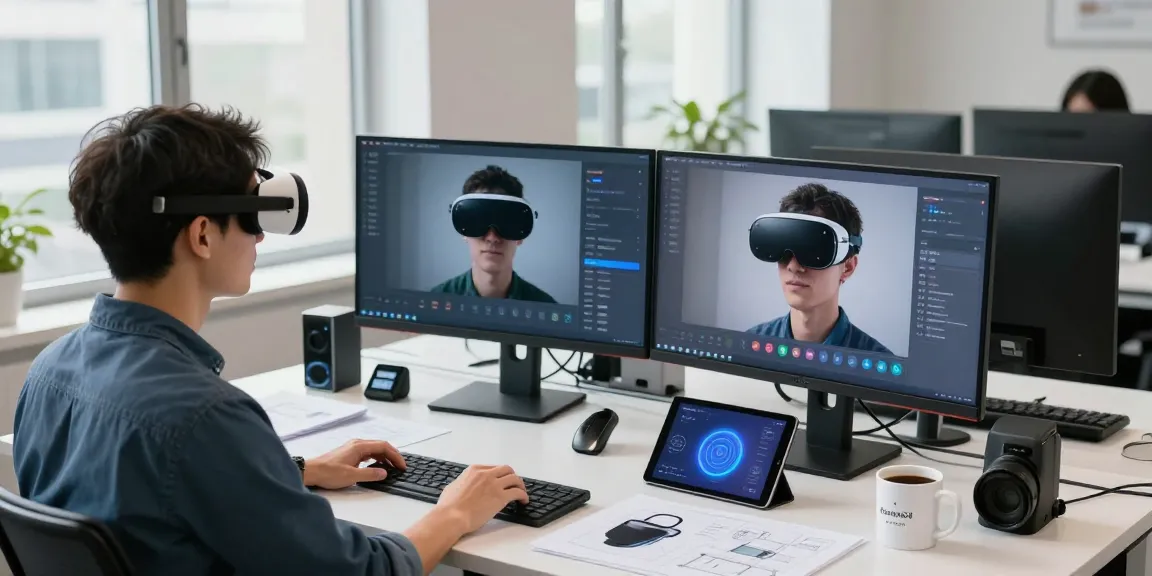
Understanding AR Glasses: A 2026 Perspective
Augmented reality (AR) glasses are poised to revolutionize how we interact with technology and the world around us. In 2026, these devices are not merely a futuristic concept; they are becoming an integral part of our daily lives, enhancing our experiences in various domains, from education to entertainment. As the technology continues to evolve, understanding what AR glasses are, their key features, and their significance in enhancing user experience is essential. When exploring options, AR glasses offer a glimpse into this exciting future.
What Are AR Glasses?
AR glasses blend the virtual world with the physical environment, allowing users to experience digital content as if it were part of their real-world surroundings. Unlike virtual reality (VR), which immerses users in a purely digital environment, AR enriches the existing world by overlaying digital information and graphics. This capability opens up new possibilities in various applications, providing users with information, navigation, and interactivity in contextually relevant ways.
Key Features of Modern AR Glasses
Today's AR glasses come with various features designed to enhance their usability and functionality:
- Display Technology: Many AR glasses employ advanced display technologies such as waveguide optics, which allow for clear and bright visuals that blend seamlessly with the user's view.
- Connectivity: Most modern AR glasses are equipped with Wi-Fi and Bluetooth capabilities, enabling them to interact with other devices and access the internet for real-time data updates.
- Gesture Control: Users can control AR applications through intuitive gestures, making the experience more interactive and user-friendly.
- Voice Recognition: Built-in voice assistants enable hands-free operation, allowing for easier access to features and functionalities.
- Lightweight Design: To encourage everyday use, AR glasses are designed to be lightweight and comfortable, making them suitable for extended wear.
The Importance of User Experience in AR
User experience (UX) is paramount for the adoption of AR glasses. If the technology is cumbersome or the applications are not intuitive, users will hesitate to integrate these devices into their lives. Key factors influencing UX include:
- Ease of Use: Simple interfaces and seamless navigation can enhance user engagement and satisfaction.
- Content Relevance: Information and applications should be context-aware, providing users with timely and pertinent data for their current activities.
- Accessibility: Features that accommodate users with disabilities can expand the reach and acceptance of AR technology.
Top AR Glasses in 2026: A Buyer’s Guide
As the market for AR glasses matures, several options are available that cater to different needs and budgets. Here’s a comprehensive guide to some top contenders:
Best High-End AR Glasses
For those seeking cutting-edge technology, high-end AR glasses provide premium features:
- Microsoft HoloLens 3: Known for its impressive spatial mapping capabilities and high-resolution displays, the HoloLens 3 is ideal for enterprise applications and professional development.
- Magic Leap 2: With state-of-the-art optics and a focus on immersive experiences, Magic Leap 2 is targeted towards developers and content creators looking for innovative AR solutions.
Affordable Options for Everyday Use
For consumers looking for budget-friendly alternatives, several options are available that offer great functionality without breaking the bank:
- Vuzix Blade: These glasses provide a decent AR experience with basic functionalities at an affordable price point.
- Snap Spectacles 4: Aimed at the social media-savvy crowd, Snap’s latest version combines fun features with practical applications for everyday use.
Comparative Review of Leading Brands
When comparing leading AR glasses brands, it’s essential to consider aspects such as display quality, user interface, battery life, and application ecosystem:
- Display Quality: Microsoft HoloLens leads the pack with superior resolution, while more affordable options like Vuzix lag slightly behind.
- User Interface: Magic Leap emphasizes ease of use with its intuitive controls, whereas some cheaper models may lack sophistication.
- Battery Life: Users must weigh the longevity of use versus the power of features; higher-end models often support longer usage but may require more frequent charging.
Applications of AR Glasses Across Industries
AR glasses are not limited to consumer electronics; they are making significant impacts in various industries, revolutionizing how tasks are performed:
AR Glasses in Education: Enhancing Learning
In educational settings, AR glasses enable interactive learning experiences that engage students in unique ways:
- Interactive Lessons: AR applications can bring textbooks to life, allowing students to visualize complex concepts, such as anatomy or physics.
- Remote Learning: AR can enhance online education by providing virtual laboratories and simulations that students can access from anywhere.
Integrating AR Glasses in Business Workflows
Businesses leverage AR glasses for various purposes that enhance productivity and efficiency:
- Training Programs: AR glasses can provide step-by-step guides during training sessions, reducing errors and improving safety.
- Field Service: Technicians can use AR to visualize equipment schematics and receive real-time data, streamlining repair processes.
The Future of AR in Entertainment and Gaming
The gaming and entertainment industries are rapidly adopting AR technology to create more immersive experiences:
- Augmented Gameplay: Games like Pokémon GO demonstrate how AR can create engaging outdoor experiences, blending the real world with virtual elements.
- Immersive Storytelling: Films and shows can use AR to provide interactive experiences that engage viewers beyond traditional passive viewing.
Challenges of AR Glasses: Navigating Reality
While AR glasses present exciting opportunities, several challenges need addressing for widespread adoption:
Common Misconceptions About AR Technology
Many misconceptions exist regarding AR technology, such as its cost and complexity. Some potential users may believe AR glasses are only for tech enthusiasts or businesses, but in reality, they are becoming accessible to everyday consumers.
Overcoming Technical Limitations and Privacy Concerns
Technical hurdles such as battery life, display quality, and connectivity must be improved. Additionally, privacy concerns surrounding data collection and user tracking are critical issues manufacturers must address to build consumer trust.
Addressing User Acceptance and Adoption Issues
User acceptance is crucial for the success of AR glasses. Companies must focus on creating intuitive and engaging experiences to encourage users to adopt this technology.
The Future of AR Glasses: Trends and Predictions
As we look ahead to the future of AR glasses, several trends and predictions will shape their development:
Emerging Technology in AR for 2026
Advancements in technology, such as improved optics and machine learning integration, will enhance AR capabilities, making them more powerful and user-friendly.
Potential Developments Shaping AR Glasses
Future developments may include enhanced battery technologies that allow for longer usage, lightweight designs for comfort, and more powerful processors that enable complex functions.
Experts’ Insights on the Evolution of AR
Experts believe that as adoption increases, more content will be created specifically for AR platforms, leading to a rich ecosystem of applications and experiences.
What are the Best AR Glasses for Beginners?
For those new to AR, beginner-friendly options like Snap Spectacles or Vuzix Blade might be the best choices, as they offer a balance of functionality and ease of use.
How Do AR Glasses Enhance Daily Life?
AR glasses can enhance daily life by providing navigation assistance, facilitating communication, and offering personalized content tailored to users’ needs and preferences.
What Industries Are Utilizing AR Glasses?
AR glasses are currently utilized in industries ranging from healthcare and manufacturing to education and entertainment, showcasing their versatility and potential impact across sectors.
Are AR Glasses Worth the Investment?
Investing in AR glasses may provide significant benefits, particularly for businesses looking to enhance productivity or for professionals needing advanced tools for their work. For casual users, the decision depends on the intended applications.
How to Choose the Right AR Glasses for You?
When selecting AR glasses, consider factors like usage purpose, comfort, battery life, and application availability. Researching user reviews and expert opinions can also aid in making an informed decision.